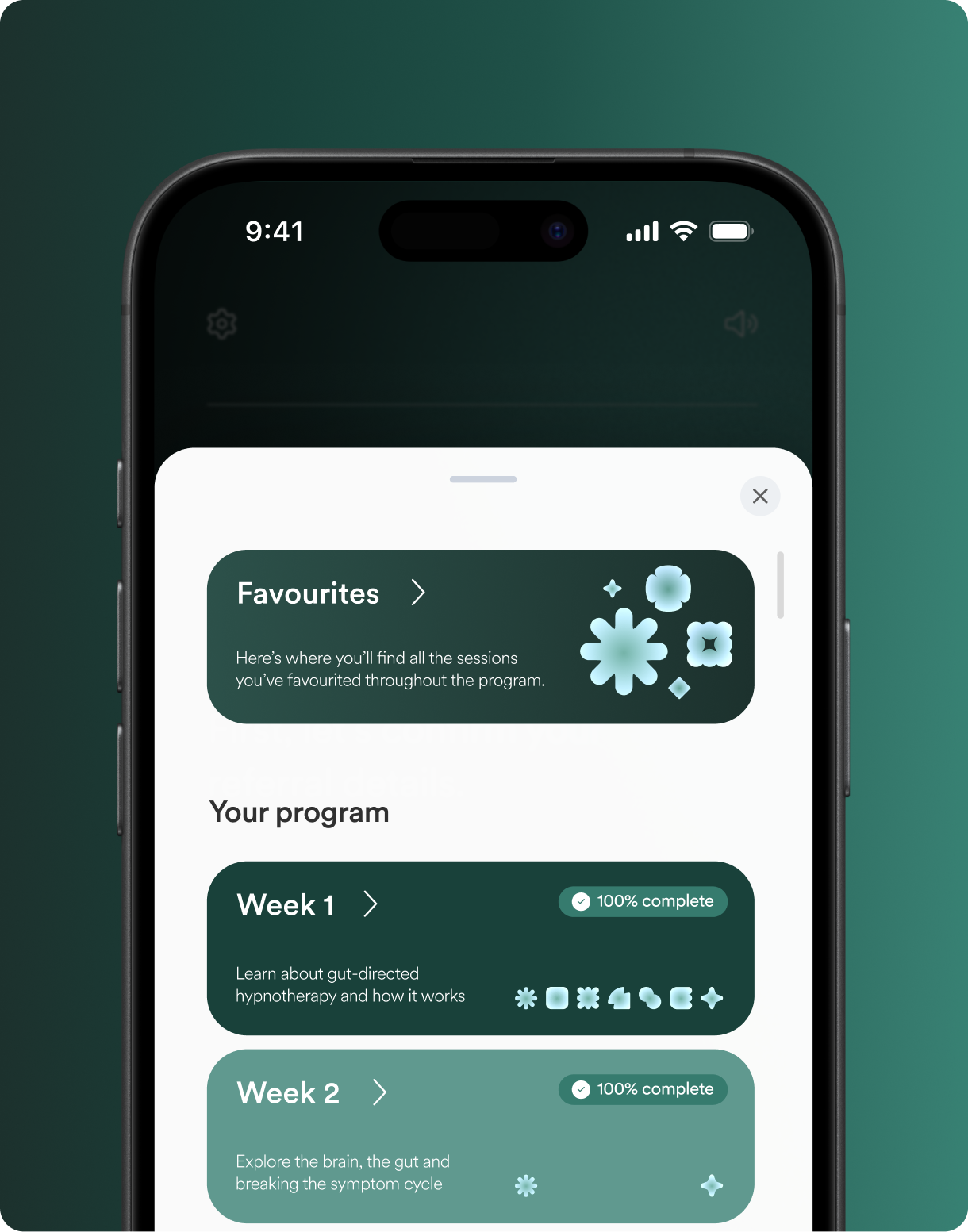
Chasing bacterial eradication without addressing the gut-brain axis is often exactly why people stay stuck.
When should I see a doctor about these symptoms?
Speak with a gastroenterologist if you notice unexplained weight loss, blood in your stool, persistent vomiting, anaemia, symptoms that wake you from sleep, or symptoms that are rapidly worsening.
These aren't typical features of IBS or SIBO and need proper medical evaluation.
You don't have to stay stuck
If you've been through rounds of testing, tried antibiotics, changed your diet, and still don't feel better – that isn't a sign that nothing will work. It's usually a sign that part of the picture hasn't been addressed yet.
SIBO and IBS are both real, and for many people they're genuinely intertwined. But the research is increasingly clear that lasting improvement comes from treating the whole system – not just the bacteria.
When the gut-brain axis stays sensitized, symptoms persist regardless of what's happening microbiologically. Addressing that sensitivity isn't a last resort; it's often the missing piece.
Understanding why your gut responds the way it does is the first step toward changing it. And that's something that's very much possible.
Frequently asked questions
Why do my SIBO symptoms keep coming back after antibiotics?
Antibiotics treat the overgrowth but not what caused it. If gut motility is slow or the gut-brain axis is dysregulated, bacteria rebuild once the course ends. Recurrence is a signal that something upstream – motility, stress, or nervous system sensitivity – still needs attention.
Can stress actually cause SIBO?
Not directly, but chronic stress slows gut motility and disrupts the movements that prevent bacterial buildup. Over time this creates conditions where overgrowth is easier to establish and harder to clear – which is why the gut-brain axis shapes not just how symptoms feel, but how the gut functions.
Is the low FODMAP diet a treatment for SIBO or just symptom management?
Mostly symptom management. It reduces fermentable carbohydrates that bacteria feed on, easing bloating – but it doesn't fix the motility or gut-brain issues driving recurrence. Useful short-term, but staying on it long term can reduce gut microbiome diversity.
Can SIBO cause anxiety or affect my mood?
It can contribute. The gut-brain axis runs both ways, and disruptions in gut function can influence neurotransmitter production and the stress response. Anxiety, low mood, and brain fog alongside digestive symptoms are common – usually a mix of overgrowth effects, chronic illness strain, and nervous system sensitization.
References
1. Chen B, Kim JJW, Zhang Y, Du L, Dai N. Prevalence and predictors of small intestinal bacterial overgrowth in irritable bowel syndrome: a systematic review and meta-analysis. J Gastroenterol. 2018;53(7):807–818. doi:10.1007/s00535-018-1476-9
2. Aziz I, Simrén M. The overlap between irritable bowel syndrome and organic gastrointestinal diseases. Lancet Gastroenterol Hepatol. 2021;6(2):139-148. doi:10.1016/S2468-1253(20)30399-8
3. Pimentel M. Review of rifaximin as treatment for SIBO and IBS. Expert Opin Investig Drugs. 2009;18(3):349-358. doi:10.1517/13543780902780175
4. Peters SL, Yao CK, Philpott H, Yelland GW, Muir JG, Gibson PR. Randomised clinical trial: the efficacy of gut-directed hypnotherapy is similar to that of the low FODMAP diet for the treatment of irritable bowel syndrome. Aliment Pharmacol Ther. 2016;44(5):447-459. doi:10.1111/apt.13706
5. Vasant DH, Paine PA, Black CJ, et al; British Society of Gastroenterology guidelines on the management of irritable bowel syndrome. Gut. 2021;70(7):1214-1240. doi:10.1136/gutjnl-2021-324598
.webp)

.jpeg)

.jpeg)